2026-11-07 09:30:30
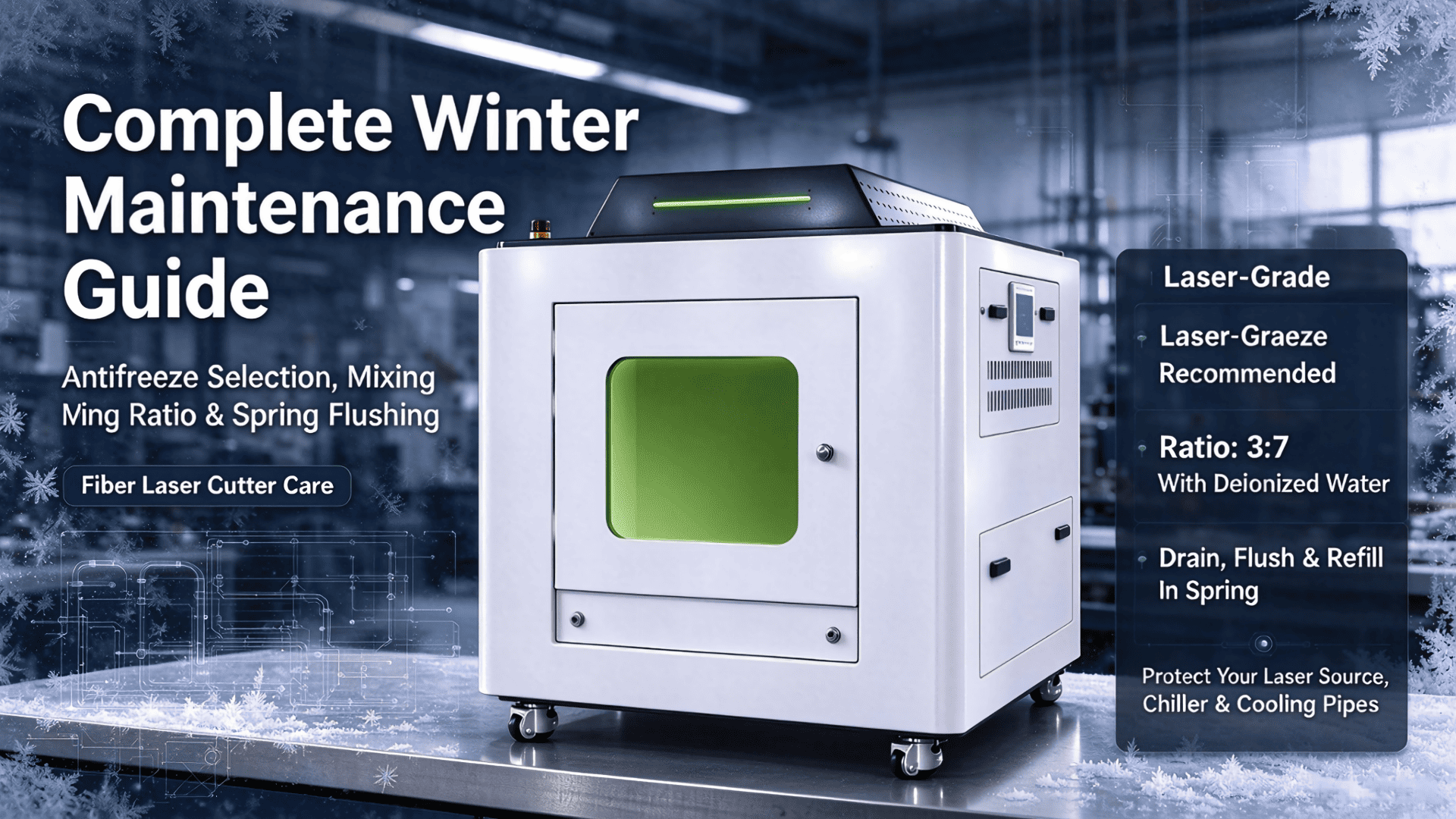
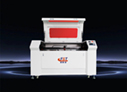
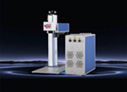
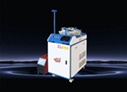
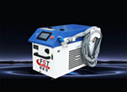
As winter brings low ambient temperature, water‑cooled fiber laser cutting machines face huge hidden risk: frozen cooling liquid. When water freezes, volume expansion may crack chiller tank, circulation pipes, pump and laser QBH output connector. Freeze‑caused damage is NOT covered under standard machine warranty. Repair costs can run into thousands of dollars and lead to long‑term production shutdown. Proper antifreeze handling is essential for fabricators in cold‑climate regions.
You must prepare antifreeze if you meet any of these conditions:
Alternative measures: Keep chiller circulating non‑stop with stable power supply. For long‑term idle status, fully drain all coolant and blow residual water out of pipelines with dry compressed air.
Many workshops mistakenly use automobile coolant for laser chillers. It contains special anti‑rust additives which raise electrical conductivity. It will corrode optical parts, rubber seals and fiber laser modules, creating permanent damage.
✅Recommended: Industrial laser‑specialized antifreeze such as Clariant Antifrogen‑N
❌Forbidden: Car engine coolant, windshield washer fluid, long‑term alcohol solution.
Antifreeze carries certain corrosive properties and is not designed for permanent operation.
When spring arrives and ambient temperature stays steadily above 10°C without freezing risk:
Improper antifreeze selection, wrong mixing ratio or skipping spring‑time flushing will trigger hidden equipment failures. Follow winter maintenance procedures to protect your laser source core components, reduce unplanned downtime and keep your production stable.
Contact our technical support team if you need further winter‑operation suggestions for your laser equipment.